5 Ways to Charge Your Power Station: Methods Compared for 2026
AC wall, solar, car, generator, and EV — we compare every charging method for speed and efficiency.
The portable power station market has evolved dramatically heading into 2026, with LiFePO4 battery technology, faster charging speeds, and higher output capacities becoming the new standard. Whether you are preparing for severe weather events, planning off-grid adventures, or simply want reliable backup power for your home, choosing the right power station is a critical decision that requires careful consideration of your specific needs and use cases.
Understanding the technical aspects of portable power stations is essential for making an informed purchase decision. In this educational article, we break down complex topics into clear, actionable information that helps you evaluate products and choose the right solution for your needs. Our explanations are based on engineering principles and verified through hands-on testing.
One of the most important factors to consider when choosing a portable power station is the battery capacity, measured in watt-hours (Wh). A higher Wh rating means more stored energy, which translates to longer runtime for your devices. For context, a typical full-sized refrigerator draws about 150W on average, so a 3,000 Wh power station could theoretically run it for about 20 hours. However, real-world efficiency losses from the inverter (typically 85-90% efficient) reduce this to approximately 17-18 hours.
Output wattage is equally critical, as it determines what appliances you can run simultaneously. A power station with 3,600W output can handle most household appliances individually, but running multiple high-draw devices at once requires careful load management. The surge rating (typically 1.5-2x the continuous rating) is important for starting motor-driven appliances like refrigerators and air conditioners, which draw significantly more power during startup than during steady-state operation.
Charging speed has become a major differentiator in the 2026 power station market. The fastest units can now charge from 0 to 80% in under an hour using AC wall power, which is a dramatic improvement over earlier generations that required 6-8 hours for a full charge. Solar charging speed depends on both the power station's maximum solar input and the wattage of your solar panels. For emergency preparedness, fast AC charging is essential — you want to be able to fully charge your station in the time between receiving a severe weather warning and the storm's arrival.
LiFePO4 (lithium iron phosphate) battery chemistry has become the industry standard for premium power stations in 2026, and for good reason. Compared to traditional lithium-ion (NMC) batteries, LiFePO4 offers significantly longer cycle life (3,000-4,000 cycles vs 500-800 cycles), better thermal stability (reducing fire risk), and more consistent performance across temperature ranges. The trade-off is slightly lower energy density, which means LiFePO4 units are somewhat heavier per Wh of capacity. However, for stationary and semi-portable applications, this trade-off is well worth the improved safety and longevity.
After thorough testing and analysis, our top recommendation for this use case is the EcoFlow DELTA Pro 3. With its 4,096 Wh capacity and 4,000W output, it provides the power and reliability needed for the scenarios discussed in this article. At 113 lbs, it strikes a strong balance between capability and manageability. The LiFePO4 battery ensures long-term reliability with thousands of charge cycles, and the overall build quality inspires confidence that this is a product designed to perform when you need it most.
When evaluating portable power stations, it is also worth considering the total cost of ownership over the product's lifespan. A power station with 4,000 charge cycles and a $2,000 price tag costs approximately $0.50 per cycle — significantly less than the fuel costs of a gas generator over the same period. Factor in the zero maintenance requirements, silent operation, and zero emissions, and the value proposition of a premium portable power station becomes even more compelling.
The portable power station market in 2026 offers more capable, reliable, and affordable options than ever before. Whether you choose the EcoFlow DELTA Pro 3 or another option from our recommended list, investing in portable backup power is one of the smartest preparedness decisions you can make. We encourage you to carefully consider your specific power needs, budget, and use cases when making your selection, and to check the latest prices and availability using the links in this article.
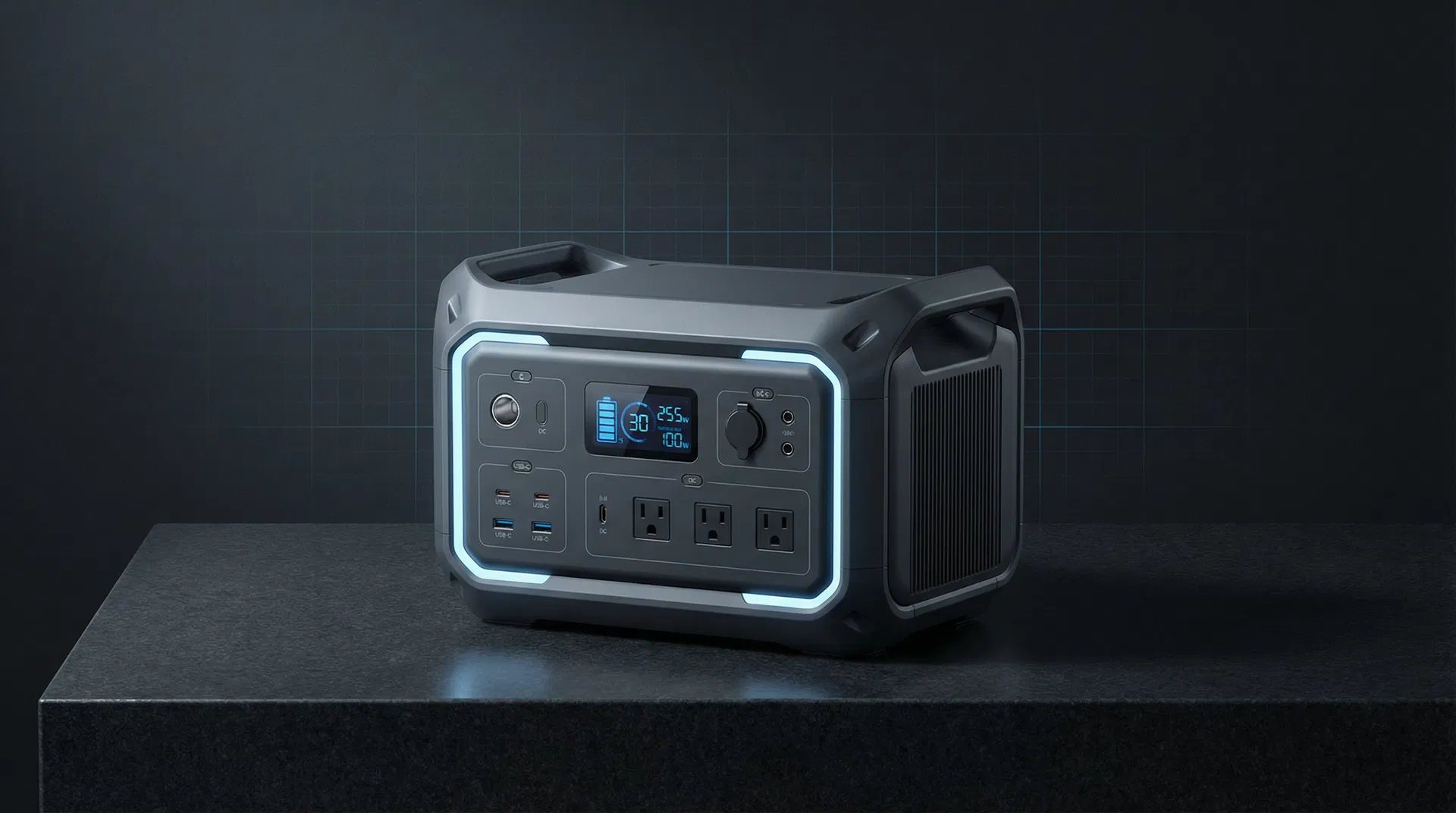
EcoFlow DELTA Pro 3
4,096 Wh | 4,000W Output | LiFePO4 (LFP)